


 Monetization
Google Lost the Biggest Antitrust Case in Decades. The Stock Went Up Anyway.
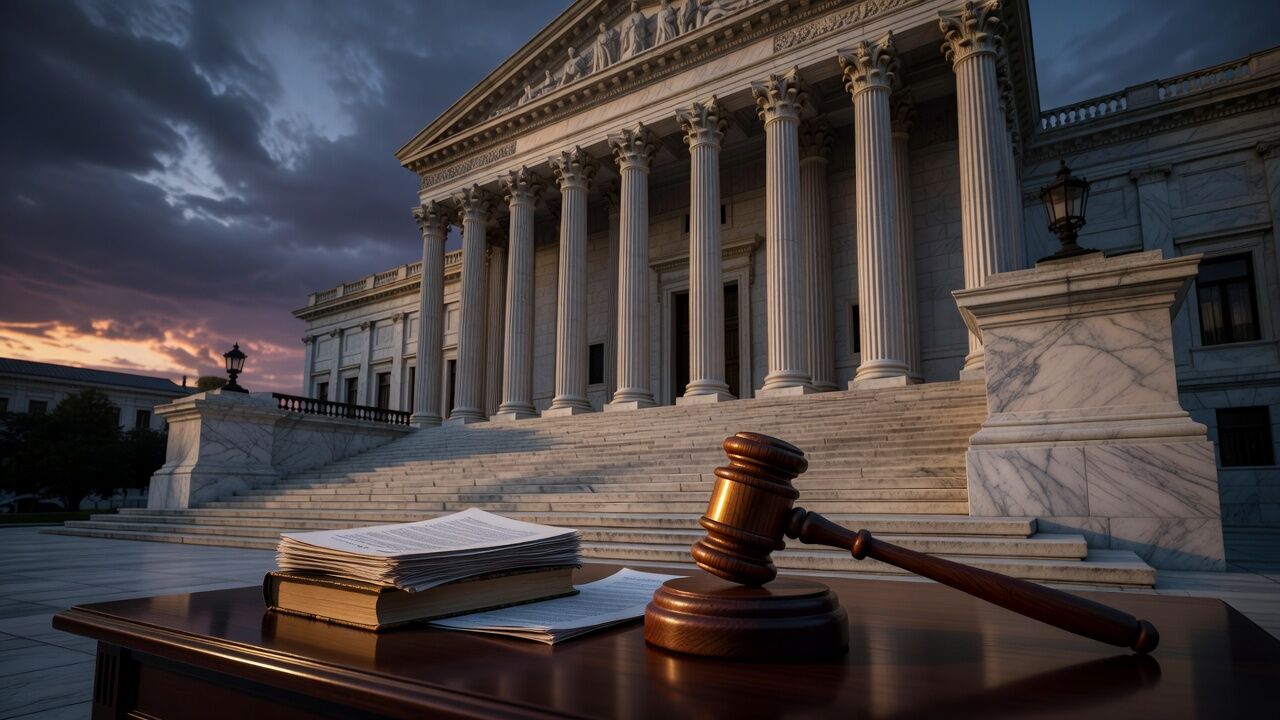
For the better part of a decade, Washington kept aiming the biggest antitrust weapon it had at Google. In August 2024 it finally fired, and the shot landed harder than anything since the government took on Microsoft in the 1990s. A federal judge ruled that Google was an illegal monopoly. Wall Street braced for a breakup. Then the final ruling came down, and Google's stock jumped 8 percent. That contradiction, in one number, is the whole story of American antitrust in 2026: the government wins the case, the market shrugs, and the fight nobody is watching is the one that could actually cost Google real money.
The Ruling That Made Google a Monopolist
On August 5, 2024, Judge Amit Mehta of the U.S. District Court for the District of Columbia issued a 277-page opinion in United States v. Google. The verdict was blunt: Google violated Section 2 of the Sherman Act by willfully acquiring and maintaining monopoly power in general search services and general search text advertising. Mehta's line became instant legal history: 'Google is a monopolist, and it has acted as one to maintain its monopoly.'
The numbers behind that finding were never really in dispute. Google controls roughly 90 percent of the U.S. online search market, and about 95 percent on smartphones. The case, filed by the Department of Justice and a coalition of state attorneys general back in October 2020, was the first major monopolization trial against a tech giant since the Microsoft case a quarter-century earlier. The DOJ won. Then the real fight began.
The 26 Billion Dollar Default Machine
How did Google get to 90 percent? The court's answer was distribution deals, and the money was staggering. Google was paying an estimated 26 billion dollars a year to be the default search engine everywhere, with Apple alone receiving roughly 20 billion dollars a year by 2022 to keep Google as the default on Safari. Samsung, LG, Mozilla, and a string of browser and device makers took revenue-share checks too. And on Android, the Mobile Application Distribution Agreement conditioned access to the Play Store on pre-installing Google Search and Chrome.
That is not a better product winning. That is an incumbent buying every shelf in the store. Rivals like DuckDuckGo and Microsoft's Bing were not losing on the merits, they were losing on distribution, and the court said so.
The Remedies: Chrome Stays, the Defaults Don't
After a 15-day remedies trial in May 2025, Judge Mehta delivered his remedy ruling on September 2, 2025. The DOJ had asked for the big one: force Google to sell Chrome, restrict Android, and bar the default-search payments for a decade. The judge said no to the breakup. Divestiture, he concluded, was a poor fit for the conduct he had found. Google keeps Chrome. It keeps Android.
But the ruling was not a free pass. Mehta banned exclusive default distribution deals, ordered Google to share search data with rivals, including AI-powered search engines, and required choice screens so users actually see alternatives. The remedies took effect in February 2026. The market read the headline, not the fine print: no breakup, stock up. Investors celebrated the mildest plausible outcome, because the alternative, a forced sale of Chrome, would have been a genuine earthquake.
The Case Nobody Is Watching: Ad Tech
Here is the part the stock market is not pricing in. In April 2025, a different judge in a different courtroom found Google guilty of a second, quieter monopoly. Judge Leonie Brinkema of the Eastern District of Virginia ruled that Google illegally monopolized the publisher ad server market and the open-web ad exchange market, and unlawfully tied the two together. Google's shares in those markets exceed 85 percent, sometimes 90 percent. The ad tech case is where the real breakup could happen, because the DOJ is asking for exactly that: divest AdX, Google's ad exchange, and open up the auction logic.
That is not a rounding error. Ad tech generated roughly 12 percent of Alphabet's revenue, around 42 billion dollars a year. The remedies ruling in that case is still pending as of this week, and every publisher on the open web is watching it. PubMatic has already sued Google for damages based on the liability finding.
Both Sides Are Appealing
In May 2026, both sides filed appeals to the D.C. Circuit. Google wants the entire search remedies order thrown out, arguing it won its dominance fair and square. The DOJ wants the opposite: a beefier remedy, including more aggressive sharing of Google's search database with competitors. Oral arguments are expected in early 2027, with a Supreme Court detour entirely possible. Nothing is settled. The choice screens are live, the data sharing is underway, and AI search engines are already getting access to data they could never have bought before.
What This Means
Read the stock reaction correctly and you learn how markets think about antitrust: they price the worst-case headline, then relax when the actual order is milder. But the cost to Google was never going to be a single dramatic breakup. It is the slow erosion of defaults, traffic bleeding to choice screens, and rivals and AI engines finally getting a crack at distribution and data. And it is the second case, the ad tech one, sitting there like a loaded gun. Whoever controls the ad stack controls what independent publishers earn. That is why this matters to everyone running a site, not just Google shareholders.
What Comes Next
Three things to watch. First, the ad tech remedies ruling, which could land any week now, and is the most likely place in the world for an actual forced divestiture. Second, the D.C. Circuit arguments in 2027, which will define how far the search remedies actually go. Third, the numbers: watch choice-screen click-through and AI search share. For operators like us, the lesson is simple. Do not build your business on someone else's default, and do not let a single platform own your audience. The fight over Google is not over. It is just getting to the interesting part.
— Allan Ali, Sylt.ing
 Dutch
Dutch
 English
 Arabic
 French
 Spanish
 Portuguese
 Deutsch
 Turkish
 Italiano
 Russian
 Romaian
 Portuguese (Brazil)
 Greek
Greek