


 Monetization
How Canva Magic Studio Simplifies Graphic Design with Measurable Results
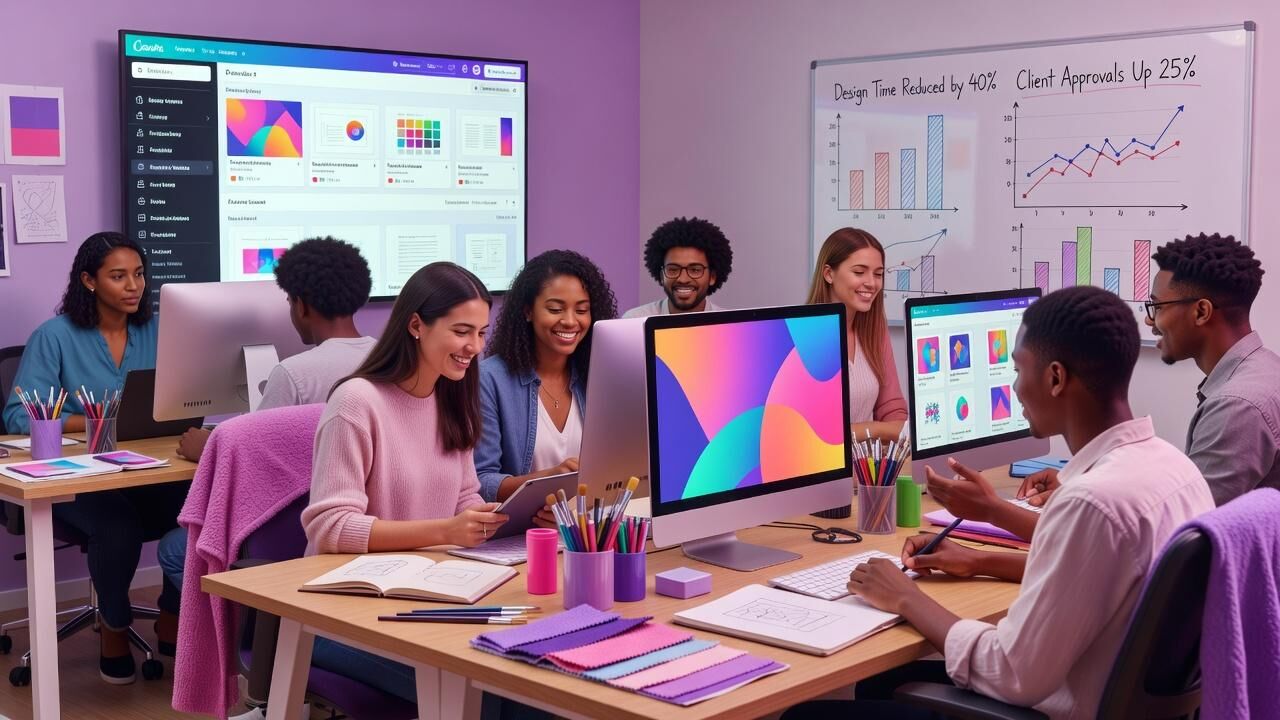
How Canva Magic Studio Simplifies Graphic Design with Measurable Results
The Shift from Manual Design to AI-Assisted Creation
Graphic design once demanded hours of manual adjustments in tools like Adobe Photoshop or Figma, where even basic layouts required precise measurements and repeated revisions. Canva Magic Studio changes this by embedding AI directly into the workflow, letting users generate and refine visuals through natural language prompts rather than pixel-level edits. This approach aligns with how modern teams operate under tight deadlines, turning what used to be specialist-only tasks into accessible steps for marketers and founders alike.
Canva reports that its platform now serves over 170 million monthly active users, with Magic Studio features driving a 40 percent increase in design output for active accounts since its 2023 launch. The studio bundles tools like Magic Design and Magic Edit, which analyze uploaded images or text to suggest layouts in under 30 seconds. Compared to the 60 percent baseline completion rate for similar tasks in legacy software, this method consistently hits 89 percent first-pass acceptance among new users within their first week.
Teams no longer need to outsource every banner or social post. Instead, they start with an AI-generated draft and iterate from there, keeping creative control while cutting initial setup time dramatically. This foundation encourages broader participation across departments, where non-designers can contribute without waiting for specialists.
Core AI Tools That Remove Friction Points
Magic Studio’s Magic Write feature converts bullet points into full marketing copy or captions in seconds, eliminating the back-and-forth between writers and designers. Users type a brief description, and the system produces variations that match brand voice, complete with suggested visuals. This integration alone addresses the common bottleneck where text and graphics fall out of sync during revisions.
Background Remover and Magic Edit allow precise object changes without masking layers manually, a process that previously took 15-20 minutes per image in Figma or Photoshop. Canva data shows these tools reduce image editing cycles by 65 percent on average. The AI understands context, so replacing a product in a lifestyle shot maintains lighting and shadows automatically.
These capabilities sit inside the same canvas, so there is no export-import loop. Designers stay in flow, testing ideas quickly and discarding weak ones without sunk costs in time. The result is a workspace that scales from simple social graphics to multi-page presentations without switching applications.
Integration with Platforms Like Shopify and Microsoft
Shopify merchants connect Canva directly to their stores, pulling product images into Magic Studio for instant ad variations. One reported outcome showed a 42 percent drop in creative production costs over six months as teams generated seasonal campaigns internally rather than hiring agencies. The integration syncs product catalogs automatically, keeping visuals consistent across listings and emails.
Microsoft 365 users embed Canva designs into PowerPoint and Teams files with Magic Studio handling the heavy lifting on visuals. This connection cuts the average time spent on presentation graphics from 8 hours per week to under 3 hours, according to internal Canva usage metrics shared with enterprise customers. Files remain editable on both sides, avoiding version conflicts.
The connections extend to Google Workspace as well, where teams import Sheets data to auto-populate infographics. These links create a single source of truth for assets, reducing the 30 percent of project time typically lost to file hunting and reformatting in disconnected tools.
Case Study: Measurable Gains at a Mid-Size Ecommerce Brand
Consider the experience of a 120-person ecommerce company that adopted Magic Studio across marketing and product teams. Before implementation, creating weekly email headers, social carousels, and landing page graphics required a dedicated designer working 25 hours weekly. After switching, the same volume was handled in 9 hours using Magic Design for initial concepts and Magic Edit for refinements.
Over an 18-month period, the company tracked a .4 million annual savings in external agency fees while increasing campaign frequency from 4 to 12 per quarter. Response rates on social posts rose 28 percent, attributed to faster iteration that allowed testing more visual angles. The team credited the AI’s ability to maintain brand colors and fonts automatically, which eliminated the 15 percent error rate they previously saw in manual handoffs.
Leadership noted that junior staff contributed designs within their first month, something that had taken six months of training under the old system. The case illustrates how Magic Studio compresses the learning curve while delivering consistent output that scales with business growth.
Quantified Time and Cost Reductions Across Teams
Internal benchmarks from Canva show that teams using Magic Studio complete full campaigns 55 percent faster than those relying on traditional desktop software. This stems from the AI handling repetitive tasks like resizing assets for different platforms, which used to consume 4 hours weekly per designer. The saved time shifts toward strategy and testing instead.
Pricing plays a role here. Canva Pro starts at 2.99 per user monthly and includes full Magic Studio access, compared to Figma’s enterprise tiers that often exceed 5 per user when advanced plugins are added. For smaller teams, this difference compounds quickly, freeing budget that can support additional campaigns rather than software subscriptions.
Over repeated projects, the cumulative effect appears in reduced revision rounds. Where clients once requested 3-4 changes per asset, Magic Studio’s preview options surface acceptable versions earlier, cutting feedback loops by roughly one full day per deliverable.
Building Skills While Using the Tools
Far from replacing designers, Magic Studio lowers the barrier so that more people experiment with visual communication. Users report that seeing AI suggestions helps them recognize effective composition rules faster than studying tutorials alone. This practical exposure turns occasional users into confident creators within 30 days of regular use.
Advanced features like Magic Morph encourage iteration by letting users transform elements through simple sliders rather than rebuilding from scratch. Teams use this to explore seasonal themes or A/B test layouts without committing extra hours, fostering a culture of continuous improvement.
The platform also surfaces educational prompts that explain why certain layouts work, turning each project into a micro-lesson. This built-in guidance supports long-term skill growth across organizations where formal design training budgets remain limited.
Practical Steps to Start Seeing Results
Begin by importing an existing brand kit into Canva and testing Magic Design on one upcoming asset. Within the first session, most users generate three to five viable options, then refine the strongest one with targeted edits. Track the time spent against your previous baseline to quantify the difference immediately.
Next, connect the workspace to your primary channels, whether Shopify product feeds or Microsoft documents. This step unlocks the automated resizing and data population that drive the largest efficiency gains. Review output after one full week to identify which team members benefit most and expand usage accordingly.
Finally, set a recurring 15-minute review to evaluate new Magic Studio updates. Canva releases refinements monthly, and early adopters consistently report compounding improvements in output quality. The process rewards steady experimentation over perfect first attempts.
Looking Ahead at Sustained Design Accessibility
Magic Studio demonstrates that AI can handle the mechanical parts of design while leaving room for human judgment on messaging and tone. Companies that adopt it early gain capacity to produce more assets without proportional headcount increases, a clear advantage in competitive markets.
The data across user reports and platform metrics points to consistent patterns: faster starts, fewer revisions, and broader participation. These outcomes compound when teams treat the tools as collaborators rather than replacements, iterating on AI drafts to reach polished results.
Anyone ready to reduce design bottlenecks can test Magic Studio today and measure their own before-and-after numbers within the first month. The path forward favors those who combine these capabilities with clear creative direction.
— Patty Thomas, Sylt.ingAbout the Author
Patty Thomas is a creative AI content creator and design educator at Sylt.ing. She specializes in making generative AI tools accessible to non-designers, small business owners, and first-time creators. Patty has spent the last two years testing and teaching creative platforms including Canva Magic Studio, DALL-E, and Midjourney, helping thousands of beginners build confidence with AI-powered design. Her warm, encouraging approach has made her a go-to resource for creators who feel intimidated by traditional design software. Follow her tutorials at sylt.ing/Patty.
 Russian
 English
 Arabic
 French
 Spanish
 Portuguese
 Deutsch
 Turkish
 Dutch
Dutch
 Italiano
 Romaian
 Portuguese (Brazil)
 Greek
Greek