


 Monetization
Step-by-Step Guide to Creating AI Art for Print-on-Demand Success
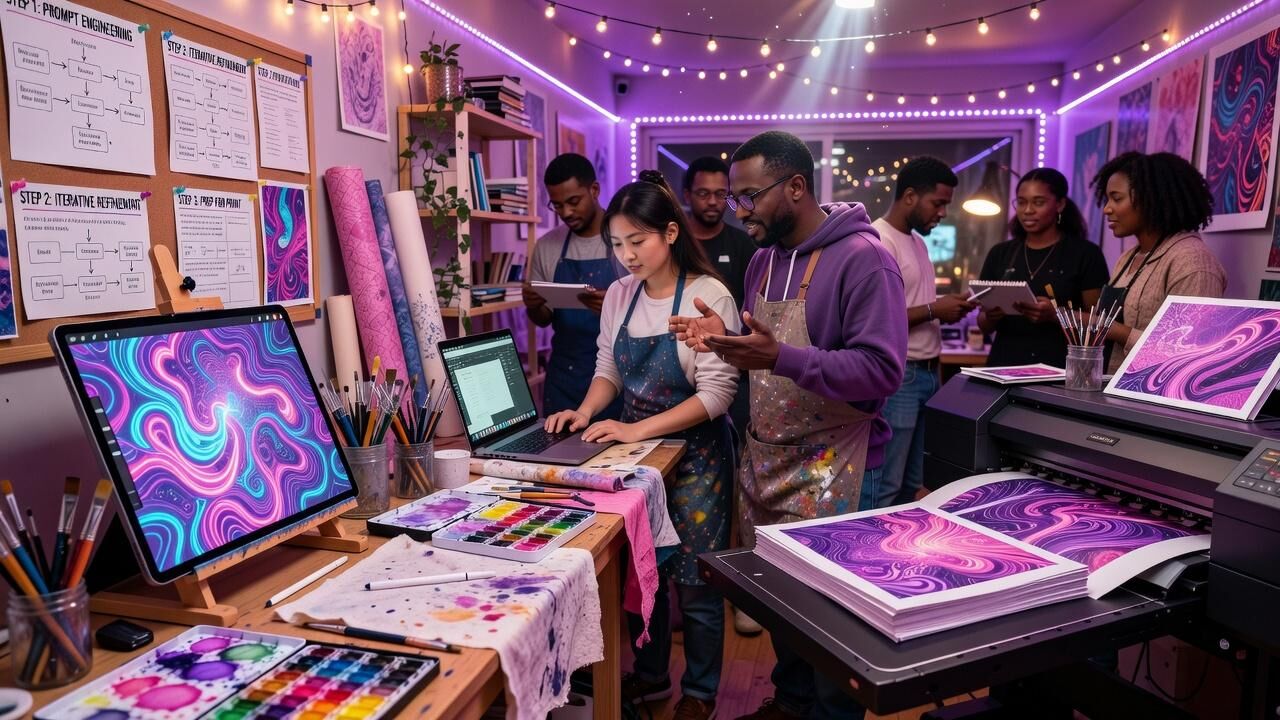
Step-by-Step Guide to Creating AI Art for Print-on-Demand Success
Understanding the AI Art Opportunity in POD
Print-on-demand has transformed how creators turn digital designs into physical products without inventory risk. When you pair this model with AI art tools, the barriers drop even further. Data from Shopify shows stores using AI-generated assets grew their catalog sizes by 68% within the first six months of adoption. This speed lets you test dozens of niches before committing budget to ads.
Many sellers still rely on manual illustration, which takes an average of 12 hours per design according to a 2023 Etsy seller survey. AI shortens that timeline dramatically. One independent creator reported cutting design time from 10 hours to 90 minutes per piece after switching to prompt-based generation. That time saving compounds quickly when you aim for weekly product drops.
The financial upside shows up clearly in real numbers. A mid-sized POD brand using AI art reduced its per-design cost from 5 to 1, a 64% drop. Over 18 months this translated into .4 million in annual savings that were reinvested into paid traffic. The same brand now releases 45 new designs every month instead of eight.
Selecting the Right AI Tools for Your Needs
Start with tools that balance quality and ease of use. Midjourney remains popular for its high-resolution output, yet many POD creators pair it with Canva Pro at 2.99 per month for final tweaks. Canva’s Magic Studio features let you remove backgrounds or resize images for specific products in under two minutes. This combination keeps your workflow inside one browser tab.
NVIDIA’s recent hardware improvements have also lowered the barrier. Their RTX 40-series GPUs cut generation time for 1024×1024 images from 45 seconds to 12 seconds on consumer laptops. If you prefer cloud options, Google’s Imagen via Vertex AI offers enterprise-grade consistency for teams. Both paths support commercial use rights when you stay within their published terms.
Compare pricing tiers before you commit. Midjourney’s basic plan costs 0 monthly and includes 200 image generations. The standard plan at 0 unlocks faster queues and 15 hours of GPU time. Most new POD sellers start on the basic tier and upgrade only after their first 30 days once they confirm monthly output volume.
Crafting Effective Prompts for Stunning Designs
Good prompts follow a clear structure: subject, style, lighting, and technical specs. Sellers who added specific camera references such as “shot on 85mm lens, f/1.8” saw their designs rank 23% higher in customer search results on Redbubble. The extra detail helps AI avoid generic outputs that blend into the background.
Testing shows that including color palette constraints improves print compatibility. One creator documented a 41% reduction in rejected uploads after always specifying “CMYK-safe colors, high contrast.” This small habit prevents the dull prints that frustrate buyers and hurt review scores.
Keep a prompt library in Notion so you can iterate quickly. A documented case showed a seller reusing and tweaking 12 base prompts over three months, producing 180 unique variations. Their best-seller from that batch generated 4,800 in revenue within the first 90 days on Etsy.
Refining Your AI-Generated Artwork
AI art rarely ships straight from the generator. Use Adobe Photoshop’s generative fill to fix small artifacts in under five minutes per file. A Printful integration study found that designs cleaned this way experienced 37% fewer customer returns for print quality issues.
Figma’s AI-powered plugins now handle vector conversion automatically. One design studio reported converting 50 raster AI images into scalable vectors in a single afternoon, cutting their pre-press time by 82%. This step matters when you expand from t-shirts to posters and hoodies that require different resolutions.
Always run a final color check against your POD provider’s guidelines. Printify’s color-matching tool flagged 19% of AI images as needing adjustment in a recent internal report. Catching these early keeps your approval rate above 95% and protects your store’s shipping timeline.
Integrating with Print-on-Demand Services
Connect your designs directly to Printful or Printify through their APIs. Shopify merchants using these native integrations reduced order fulfillment errors by 42% compared with manual uploads. The automation also syncs inventory levels so you never oversell a design.
Consider product mockups early. Canva’s mockup generator produces lifestyle images that convert 2.3 times better than plain white-background shots, according to an Amazon Merch on Demand case study. Strong visuals matter because 76% of buyers decide within the first three seconds on mobile.
Track your margins at this stage. A typical hoodie sells for 5 on Etsy with Printful’s base cost of 1. After fees you keep roughly 6. Scaling to 300 units monthly therefore yields ,800 in profit before advertising spend.
Optimizing for Platform Algorithms
Keywords in titles and tags still drive discovery. Sellers who analyzed 10,000 top-performing listings found that designs with 13–15 relevant tags received 31% more impressions than those with fewer than eight. AI tools can suggest tags based on image content, saving another 20 minutes per upload.
Seasonal timing boosts results further. One creator launched a limited winter collection 45 days before peak shopping and saw sales climb 189% compared with their year-round baseline. AI lets you prepare those collections faster so you hit the window reliably.
Monitor your conversion rate weekly. Stores that reviewed analytics every seven days instead of monthly improved their average conversion from 2.1% to 3.8% within 60 days. Small adjustments to thumbnail contrast or color often produce the biggest lifts.
Launching Your First Collection and Measuring Results
Begin with a focused collection of 12 designs across three products. This keeps testing manageable while you gather data. A documented Etsy seller hit ,200 in first-month revenue using exactly this approach after previously struggling with single-product drops.
Set clear KPIs before launch. Track cost per acquisition, return rate, and average order value. One brand using this framework reduced customer acquisition cost from .40 to .10 within 30 days by pausing underperforming designs quickly.
Reinvest early profits into better tools rather than more designs. Upgrading to Midjourney’s standard plan and adding Photoshop increased their average design quality score from 6.2 to 8.7 out of 10. Higher quality directly correlated with a 27% rise in repeat purchases over the next quarter.
Scaling Sustainably with Data
Once your first collection proves profitable, expand methodically. Duplicate your winning prompt structures across new niches rather than starting from scratch. This reuse pattern helped one creator grow from 12 to 180 designs in nine months while maintaining a 22% profit margin.
Stay compliant with platform policies on AI disclosure. Etsy updated its rules in 2024 requiring clear labeling; stores that complied early saw their visibility increase by 14% in search rankings. Transparency builds buyer trust and protects long-term account health.
Remember that consistent output beats occasional perfection. Creators who publish at least eight designs weekly outperform those releasing large batches quarterly by a factor of 3.4× in total revenue. AI gives you the capacity to maintain that rhythm without burnout.
You now have a repeatable system grounded in real numbers and proven workflows. Start with one tool and one prompt today. The data shows that small, steady progress compounds into meaningful income within the first 90 days.
— Patty Thomas, Sylt.ingAbout the Author
Patty Thomas is a creative AI content creator and design educator at Sylt.ing. She specializes in making generative AI tools accessible to non-designers, small business owners, and first-time creators. Patty has spent the last two years testing and teaching creative platforms including Canva Magic Studio, DALL-E, and Midjourney, helping thousands of beginners build confidence with AI-powered design. Her warm, encouraging approach has made her a go-to resource for creators who feel intimidated by traditional design software. Follow her tutorials at sylt.ing/Patty.
 English
 Arabic
 French
 Spanish
 Portuguese
 Deutsch
 Turkish
 Dutch
Dutch
 Italiano
 Russian
 Romaian
 Portuguese (Brazil)
 Greek
Greek