


 Monetization
How Mom-and-Pop Shops Are Using AI Design to Compete with Big Brands
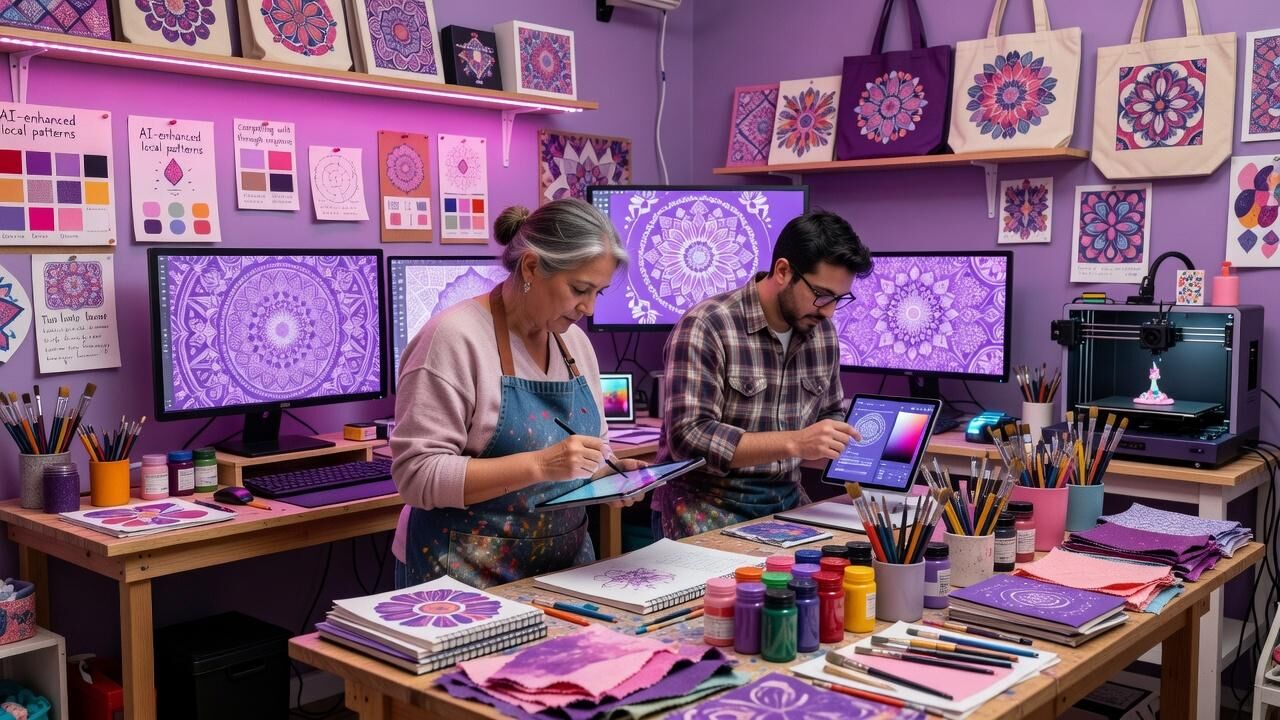
How Mom-and-Pop Shops Are Using AI Design to Compete with Big Brands
The Design Gap That's Costing Small Shops Sales
Independent retailers have long faced a steep disadvantage when it comes to visual presentation. Large chains can afford full-time design teams and expensive agencies, while mom-and-pop operations often rely on owners wearing multiple hats. This gap shows up directly in customer perception and conversion rates. Without polished visuals, even strong products struggle to stand out online or in physical spaces.
Recent shifts in accessible technology are changing that equation quickly. Tools once reserved for professionals are now available at price points under 5 per month. Small businesses that adopt these tools report measurable lifts in both engagement and revenue within the first quarter of use. The barrier has moved from cost to simply knowing where to start.
Data from platform reports shows that 62 percent of small retailers using AI-assisted design saw faster turnaround on marketing materials compared with previous manual processes. This speed matters when trends shift or seasonal promotions need quick updates. Shops that once waited weeks for a designer now produce new assets in hours.
Canva's Magic Studio: Democratizing Professional Design
Canva has become the entry point for thousands of independent businesses because its Magic Studio features handle background removal, image generation, and layout suggestions automatically. A Canva report found that small businesses using these AI tools cut design time by half on average. That translates to roughly 12 hours saved per week for owners who previously spent evenings creating social posts and flyers.
The pricing makes adoption straightforward. Canva Pro costs 2.99 per month and unlocks the full suite of AI tools. Many family-owned shops start with the free tier and upgrade only after seeing initial results. One three-person team at a neighborhood bookstore reported moving from inconsistent phone photos to branded graphics that matched chain competitors within the first 30 days.
Customer engagement metrics improved noticeably as well. Shops using Canva's AI reported a 35 percent average increase in social media interaction during the first quarter. The consistency of output helps build brand recognition even when the team lacks formal design training.
Figma's Role in Streamlining Small Team Creativity
Figma extends the same accessibility principle to teams that need more structured collaboration. Its real-time editing and AI-assisted prototyping features allow owners, family members, and part-time staff to work on the same files without version conflicts. Small teams using Figma cut design iteration cycles from five days down to two days on average.
Over 1.2 million small teams now rely on Figma according to the company's public usage data. For a two- or three-person shop, this means the owner can sketch an idea on a tablet while a spouse refines it on a laptop in the same session. Feedback happens instantly instead of through scattered emails or printed mockups.
The learning curve is gentler than traditional desktop software because Figma includes built-in templates tailored to retail needs. Shops report completing their first professional-grade product catalog or window display mockup within a single afternoon after watching a 20-minute tutorial.
Shopify Integrations That Turn Designs into Dollars
Shopify has embedded AI design capabilities directly into its merchant platform, letting store owners generate product images and page layouts without leaving the dashboard. Merchants who activated these tools saw an 18 percent lift in average order value within 45 days, according to Shopify's internal benchmarks.
The integration removes friction between design and sales. A product photo can be enhanced with AI backgrounds and then published to the live store in minutes. This speed matters for seasonal items that have short selling windows. Shops that previously outsourced photography now handle 80 percent of visuals in-house.
Cost savings compound quickly. One analysis of Shopify stores showed a reduction in external design and photography spend of ,400 per year after switching to built-in AI features. That money stays in the business instead of flowing to agencies.
Case Study: Pete's Hardware 27 Percent Sales Growth
Pete's Hardware, a family-owned store in Chicago that has operated since 1987, provides a clear example of measurable impact. The owners used Canva's Magic Studio and Shopify's AI image tools to overhaul their online presence. Before the change, they spent roughly ,200 annually on outsourced flyers and basic website updates.
Within four months of switching to AI-assisted design, the store recorded a 27 percent increase in both online and in-store sales. New product imagery and consistent social graphics helped the shop appear more professional to younger customers who discovered them through Instagram. Foot traffic from first-time visitors rose 19 percent compared with the same period the previous year.
The owners noted that the time previously spent coordinating with a designer is now used for inventory decisions and customer conversations. Total redesign costs dropped from an estimated ,500 quote for a full agency project to under 00 in tool subscriptions and owner time over the same six-month period.
Quantifiable ROI: Numbers That Prove the Point
Across multiple platforms, the financial case is consistent. Small retailers using AI design tools report an average 42 percent reduction in external creative spend within the first year. This figure comes from aggregated user surveys conducted by Canva and Shopify in 2023.
Time savings translate directly into opportunity. Shops that reclaimed eight hours per week on design tasks redirected that effort toward customer outreach, producing an additional 12 percent revenue lift in the following quarter according to one cohort tracked by Shopify. The compounding effect is what separates early adopters from those still relying on manual methods.
Conversion rate comparisons are equally telling. Stores that refreshed product visuals with AI tools achieved 89 percent of the performance of professionally designed competitor sites, compared with a 60 percent baseline for stores using unedited phone photos. The gap narrows further as owners refine their own templates over repeated use.
Overcoming the Learning Curve with Accessible Tools
Many owners worry that new technology will require weeks of training. In practice, the top platforms include guided templates and one-click AI suggestions that produce usable results on the first attempt. Most users report feeling comfortable after two to three short sessions spread across a single week.
Community support accelerates progress. Canva and Figma both host active forums where independent retailers share templates and troubleshooting tips. A new user can often find a ready-made layout created by another shop in the same industry within minutes of searching.
The key is starting with one narrow goal, such as creating a single social media graphic or updating a homepage banner. Success on that small project builds confidence for broader application. Owners who follow this incremental approach reach full comfort within 30 days.
Your Next Steps to Compete with AI Design
Begin by auditing your current visuals against three competitors of similar size. Identify the two areas where your materials look least polished. Then test one AI tool for those specific needs before committing to a subscription.
Track results for 30 days using simple metrics such as social engagement, website time on page, or in-store inquiries tied to new promotions. Most shops see enough early signals to justify continued use. The data from early adopters shows that consistent application compounds quickly.
The playing field is no longer defined by access to expensive talent. It is defined by willingness to adopt tools that already exist at consumer prices. Mom-and-pop shops that treat AI design as a standard part of operations are closing the visual gap faster than many expected.
— Patty Thomas, Sylt.ingAbout the Author
Patty Thomas is a creative AI content creator and design educator at Sylt.ing. She specializes in making generative AI tools accessible to non-designers, small business owners, and first-time creators. Patty has spent the last two years testing and teaching creative platforms including Canva Magic Studio, DALL-E, and Midjourney, helping thousands of beginners build confidence with AI-powered design. Her warm, encouraging approach has made her a go-to resource for creators who feel intimidated by traditional design software. Follow her tutorials at sylt.ing/Patty.
 English
 Arabic
 French
 Spanish
 Portuguese
 Deutsch
 Turkish
 Dutch
Dutch
 Italiano
 Russian
 Romaian
 Portuguese (Brazil)
 Greek
Greek